

Home & Garden


Meta Description: Learn how to get rid of chipmunks in your yard with these 10 effective and humane methods. Protect your garden, lawn, and home without harming wildlife.
Noticed small holes in your lawn, chewed plants, or vanishing garden bulbs? You may have chipmunks. While these tiny rodents look cute, they can cause serious problems in your yard by digging burrows, eating crops, and even damaging foundations. The good news: you don’t need to harm them to protect your garden. This guide shares 10 effective and humane methods to get rid of chipmunks and prevent future infestations.
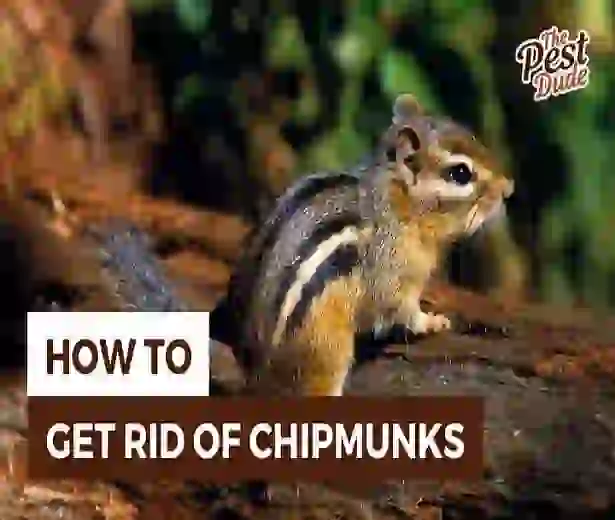
Chipmunks are small, ground-dwelling rodents that feed on nuts, seeds, fruits, and insects. They dig complex burrow systems, often hidden under lawns or near gardens.
Easy access to food like fallen fruits and birdseed
Shelter in dense shrubs, woodpiles, or rock gardens
Safe underground burrows for nesting and breeding
Small holes or burrow entrances in the lawn
Chewed plants, bulbs, or garden fruits
Droppings near bird feeders
Gnawed wood or garden structures
Make your yard less inviting by:
Picking up fallen fruits and nuts
Trimming dense bushes and clearing brush piles
Securing trash bins with tight lids
Locate small burrow holes in the lawn
Fill them with gravel or soil
Cover with mesh wiring to prevent re-digging
Chipmunks dislike certain scents and tastes.
Spray hot pepper, garlic, or peppermint oil solutions around plants and burrows
Use blood meal or predator urine (available at garden stores) to mimic natural threats
Place ¼-inch mesh fencing around garden beds
Plant bulbs inside wire cages beneath the soil
Cover fruits and vegetables with netting
Set traps near burrows or food sources
Bait with peanut butter or sunflower seeds
Relocate trapped chipmunks at least 5 miles away
Install owl boxes to attract owls
Allow pets like cats or dogs to roam in the yard
Avoid harmful pesticides that repel beneficial wildlife
Spread gravel around garden beds and foundations
Place decorative stones over bare soil patches
Add baffles to feeder poles to block climbing
Move feeders at least 20 feet away from your house
Clean up spilled seeds regularly
Install motion-activated sprinklers or lights
Try ultrasonic repellents with rotating frequencies
Move devices occasionally so chipmunks don’t adapt
If the infestation is severe:
Contact pest control experts for humane removal
Request property inspections for hidden burrows
Get advice on long-term prevention solutions
Once chipmunks are gone, prevent them from coming back by:
Keeping your lawn mowed and yard free of debris
Installing fencing or gravel around vulnerable spots
Checking for new burrows regularly and sealing them early
Planting less-attractive options like garlic and daffodils
Chipmunks may be charming, but they can cause big problems in your garden if left unchecked. By combining these humane removal methods and prevention strategies, you can protect your yard without harming wildlife. Stay consistent, act quickly when you see signs, and enjoy a thriving, chipmunk-free outdoor space all year long.


Home & Garden
Home & Garden
